Nederlands
 English
 français
 Deutsch
 italiano
 русский
 español
 português
 العربية
 한국의
한국의 Romania
 Bulgaria
 Melayu

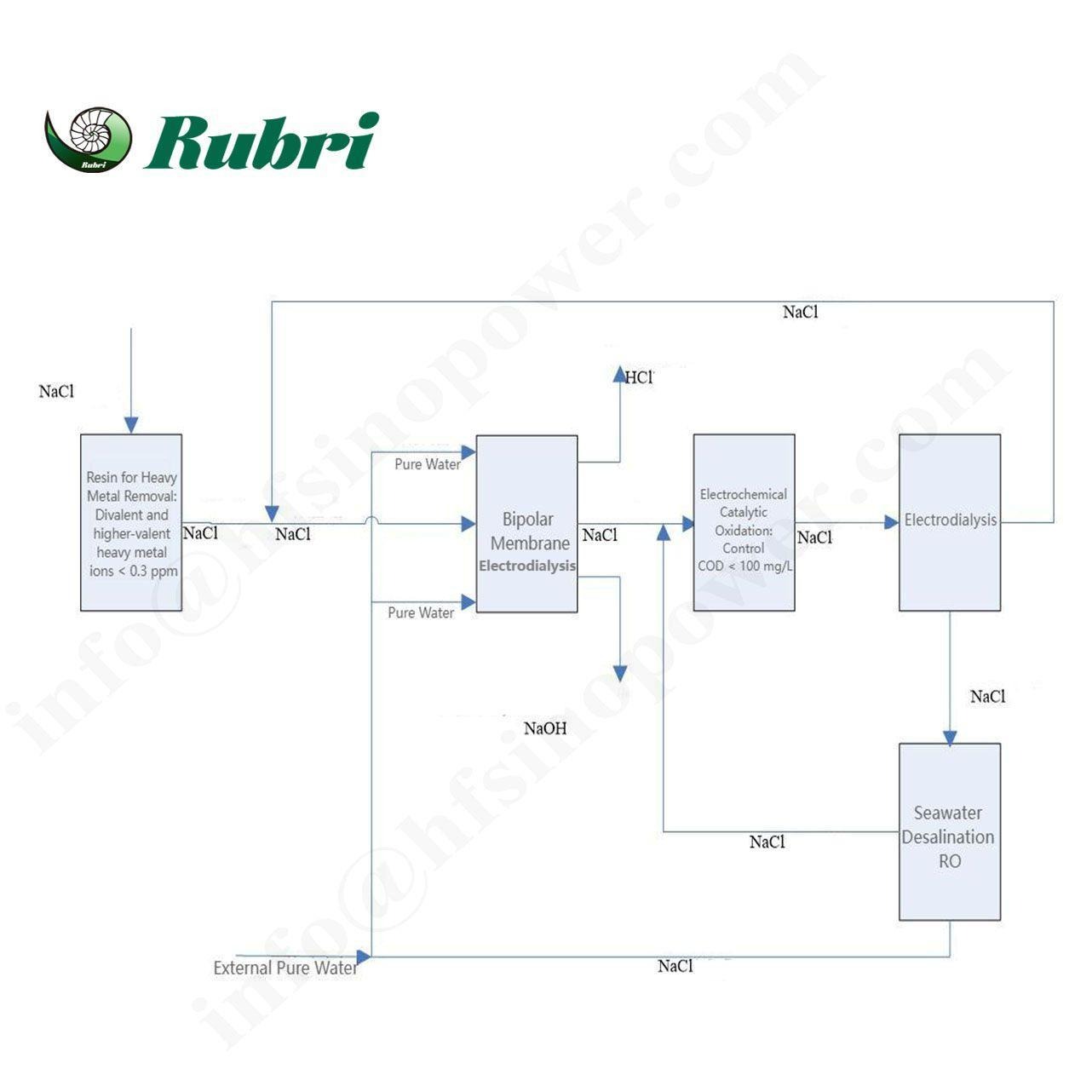
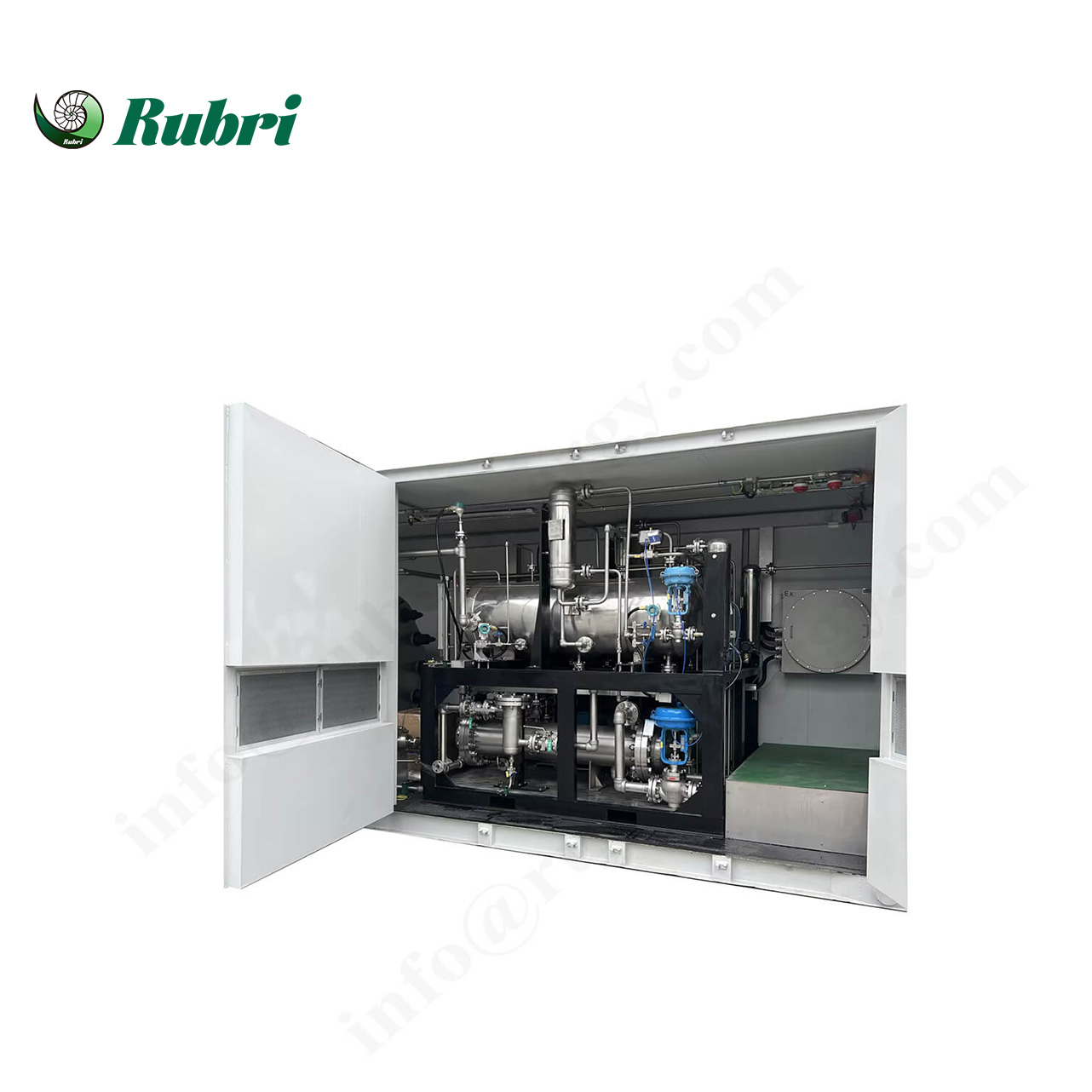
Rubri is deskundig op het gebied van bipolaire membraanelektrodialysetechnologie en is bedreven in het ontwerpen en implementeren van op maat gemaakte oplossingen. Hiermee voorziet hij klanten van uitgebreide, groene en schone productieplannen.
Merk :
RubriBipolaire membraanelektrodialyse
Productomschrijving
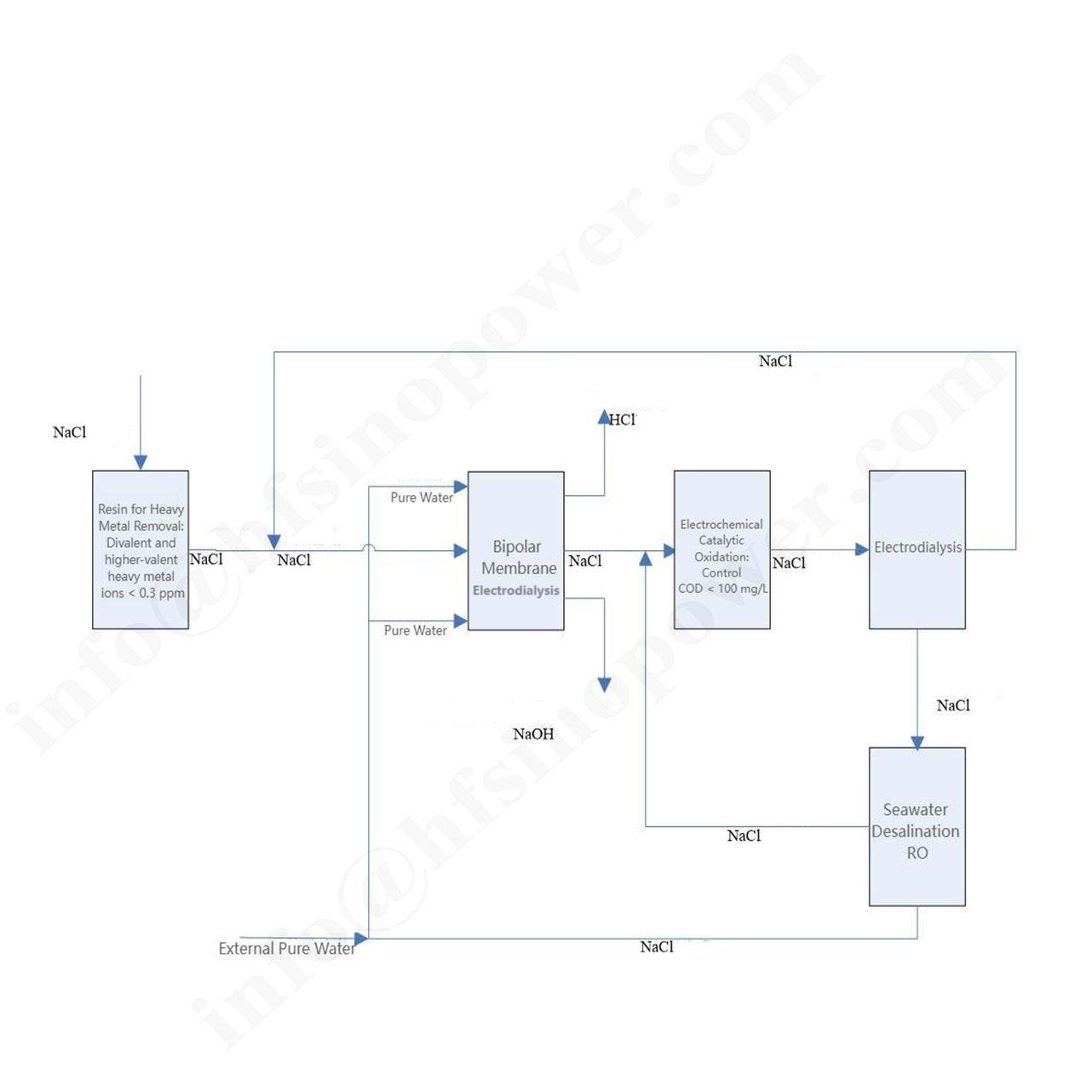
Toepassingsscenario's
1. Lithiumwinning uit zoutmeren
2. Productie van organische zuren
3. Productie van organische alkaloïden
4. Terugwinning van zout water
5. Chemisch schone productie
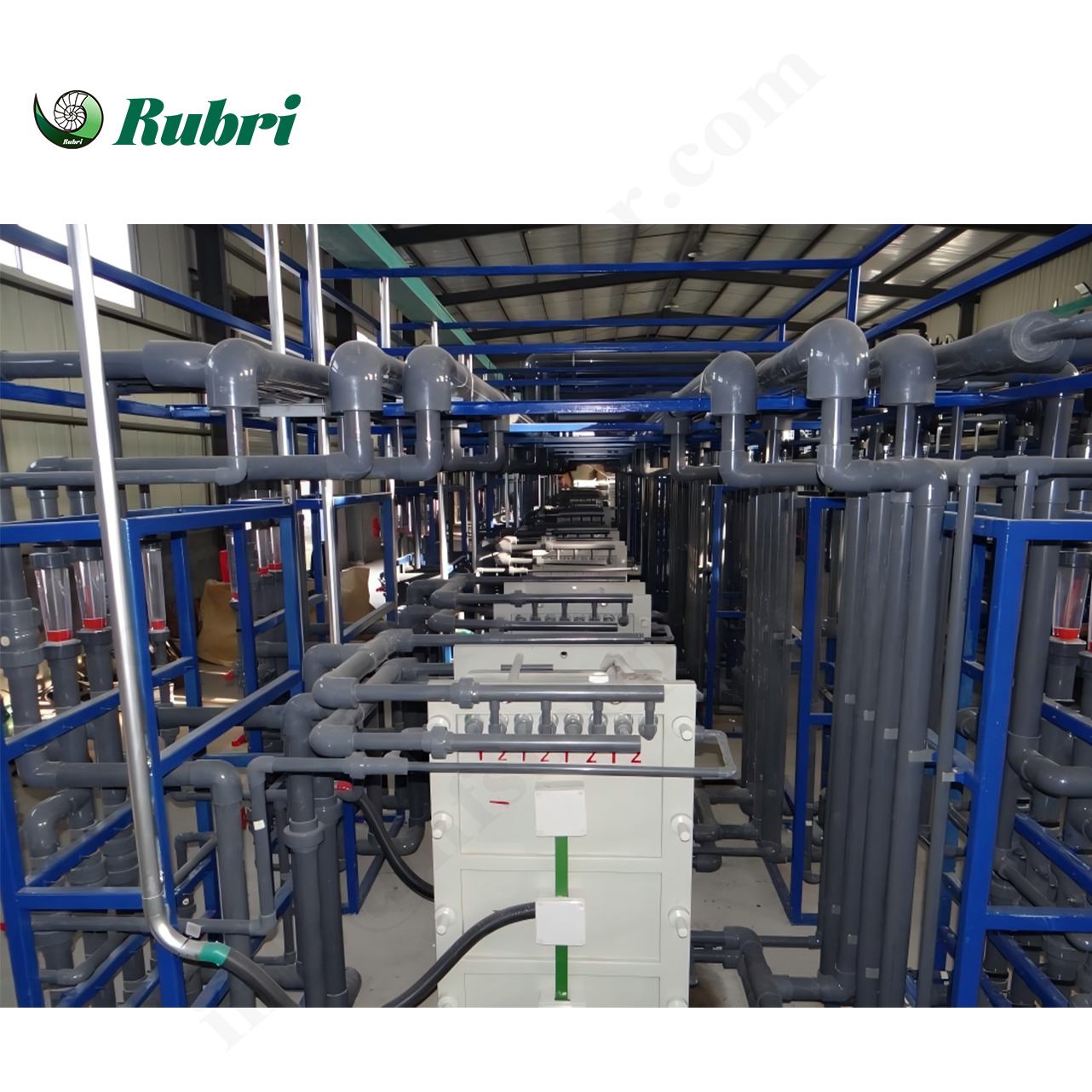
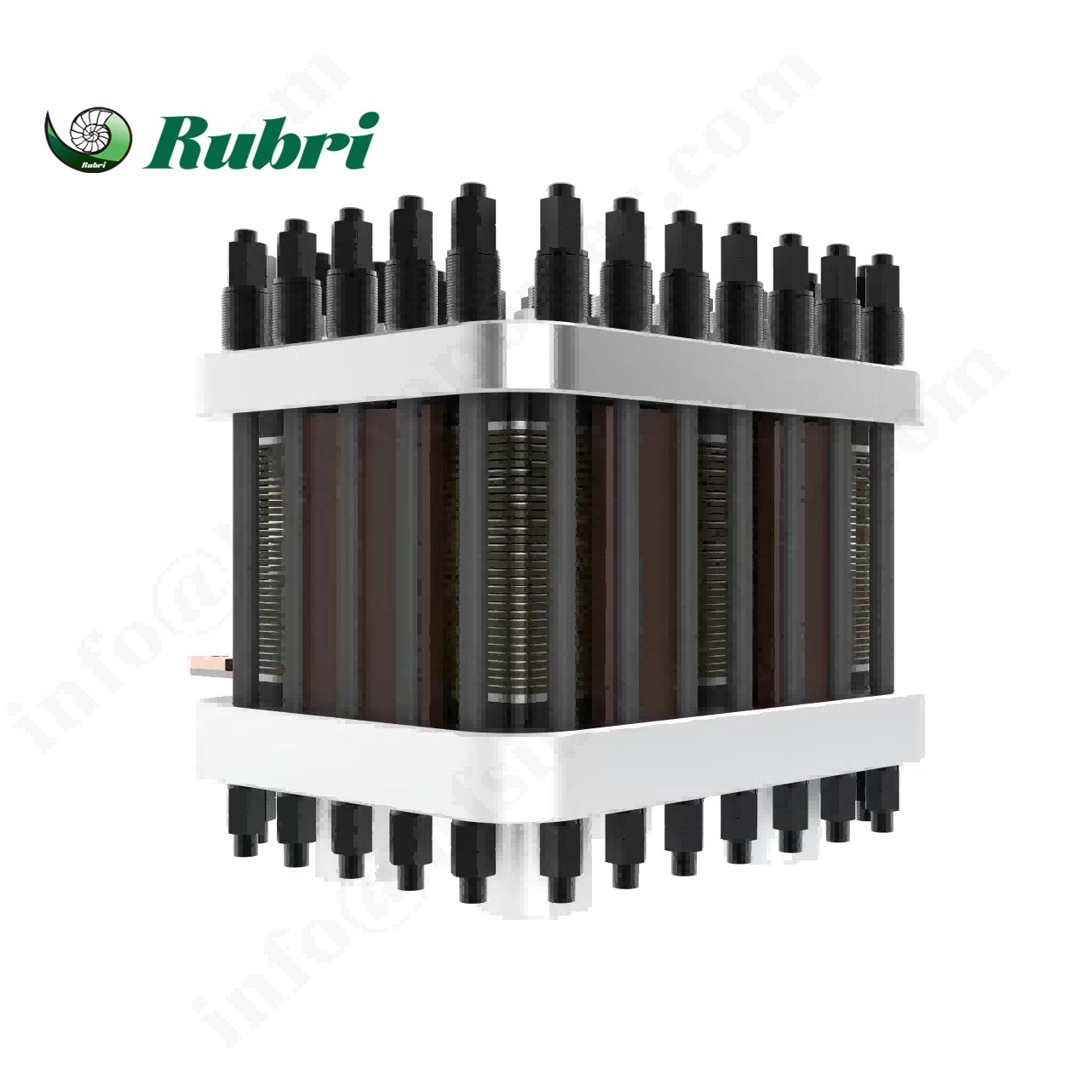
InvoeringBipolaire membraanelektrodialyse (BMED) is een geavanceerde elektrochemische scheidingstechnologie die gebruikmaakt van een speciale membraanstapel om zouten rechtstreeks om te zetten in de overeenkomstige zuren en basen. De kerncomponent is het bipolaire membraan (BPM), dat bestaat uit een kationuitwisselingslaag en een anionuitwisselingslaag die aan elkaar zijn gelamineerd. Onder invloed van een gelijkstroom (DC) elektrisch veld katalyseert het BPM de dissociatie van watermoleculen op het grensvlak, waarbij H⁺- en OH⁻-ionen worden gevormd. Deze ionen migreren door de membraanstapel om te reageren met de anionen en kationen uit een zoutoplossing, waardoor tegelijkertijd zure en basische producten worden gegenereerd.
LEES VERDER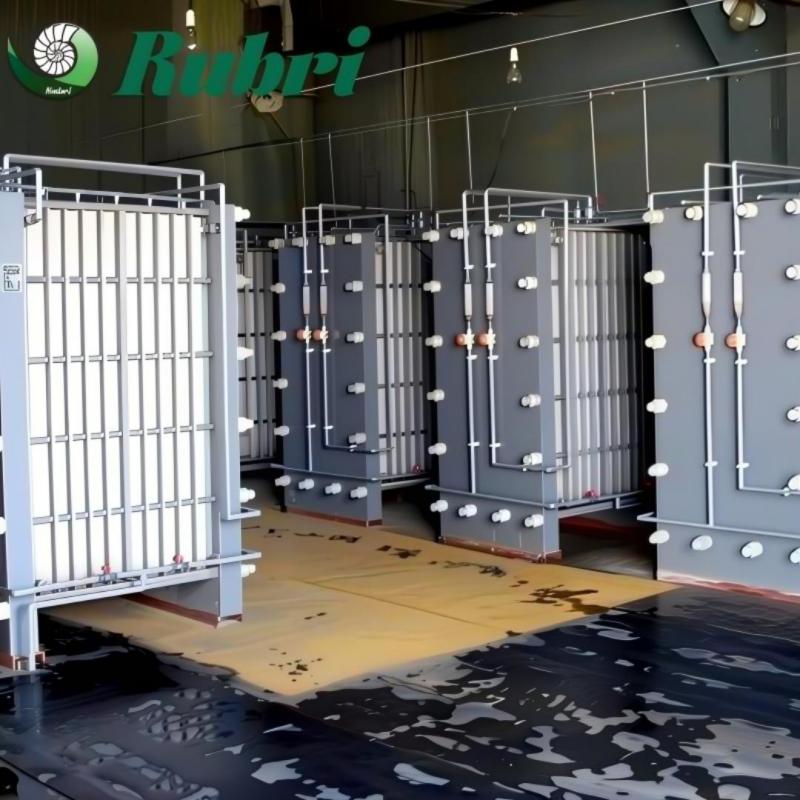
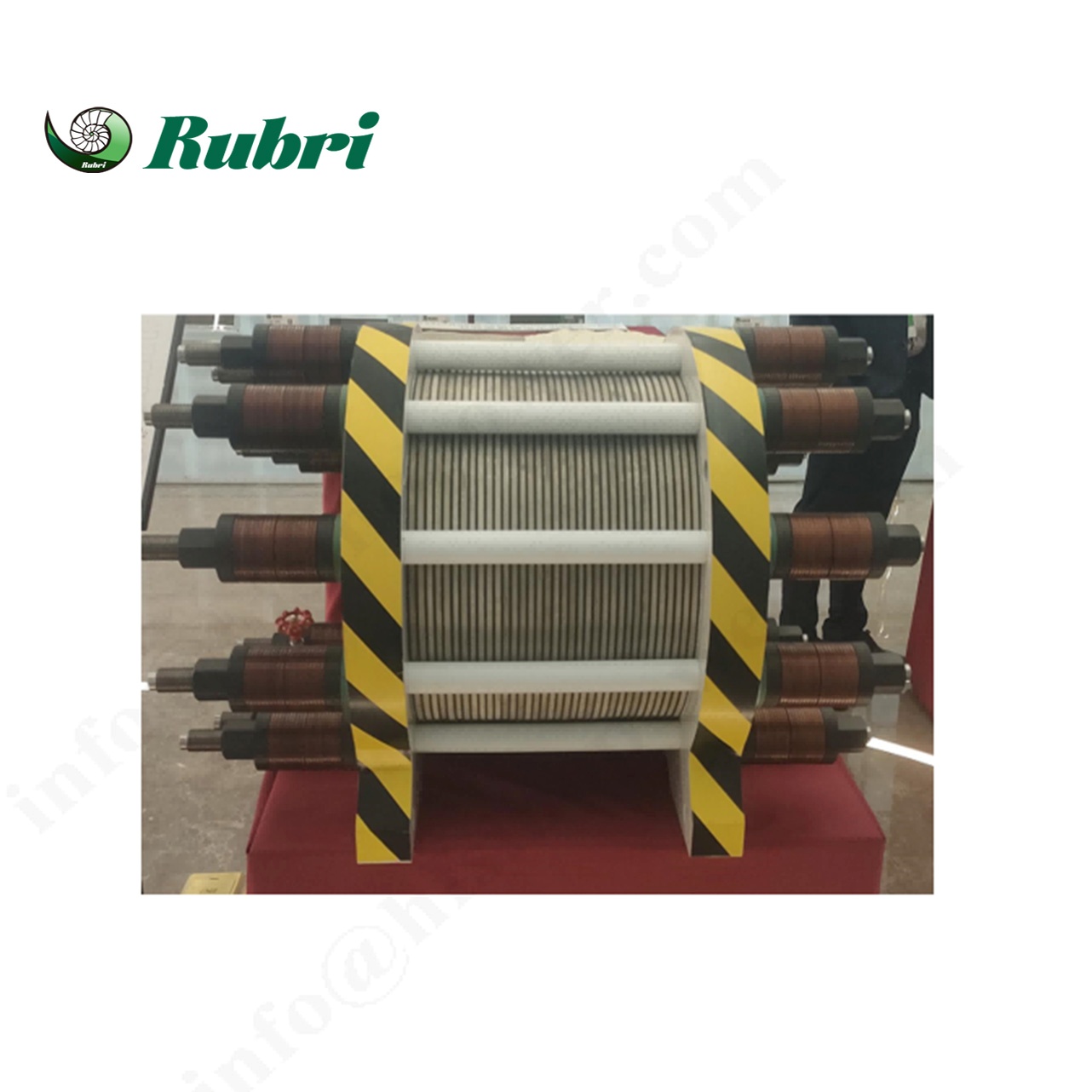
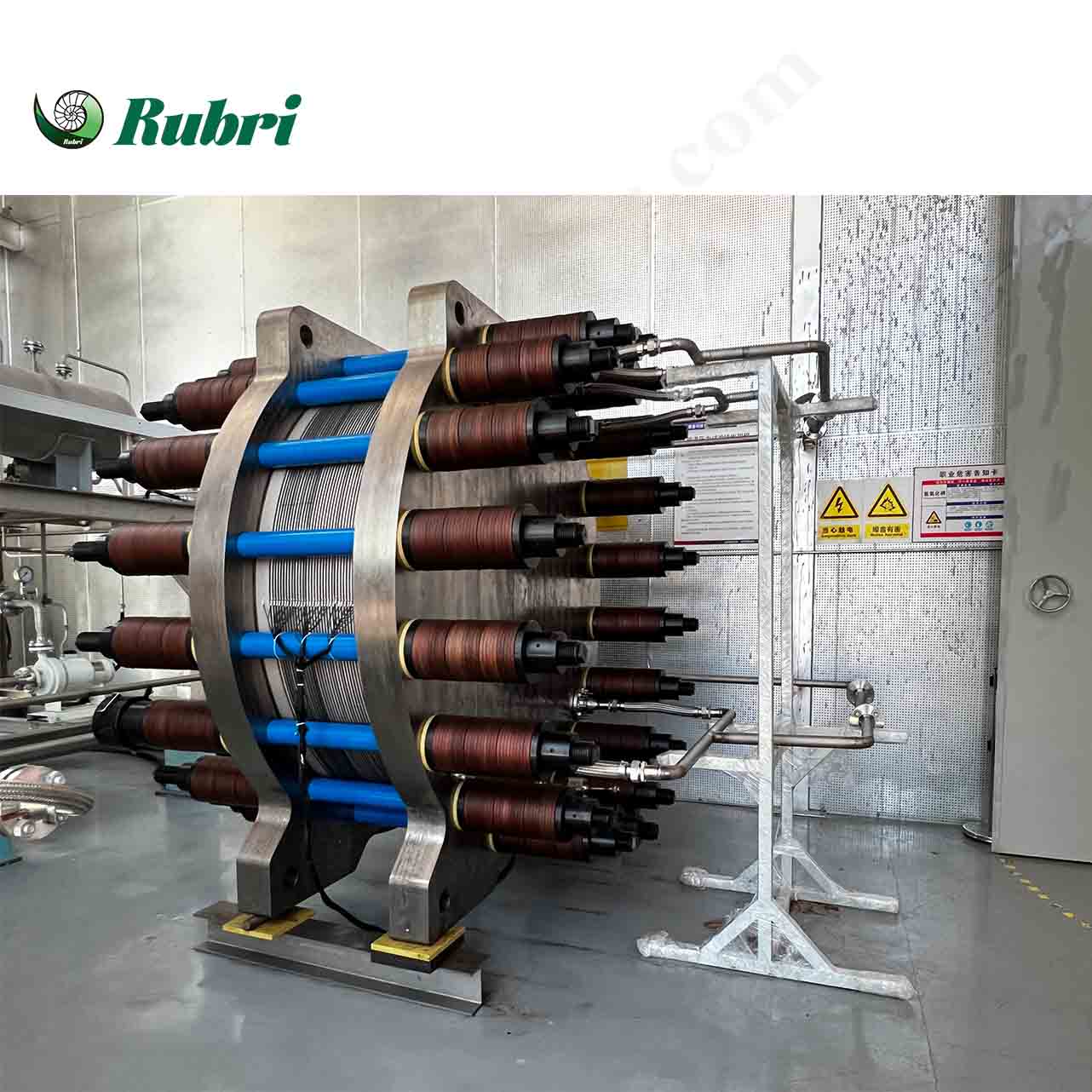
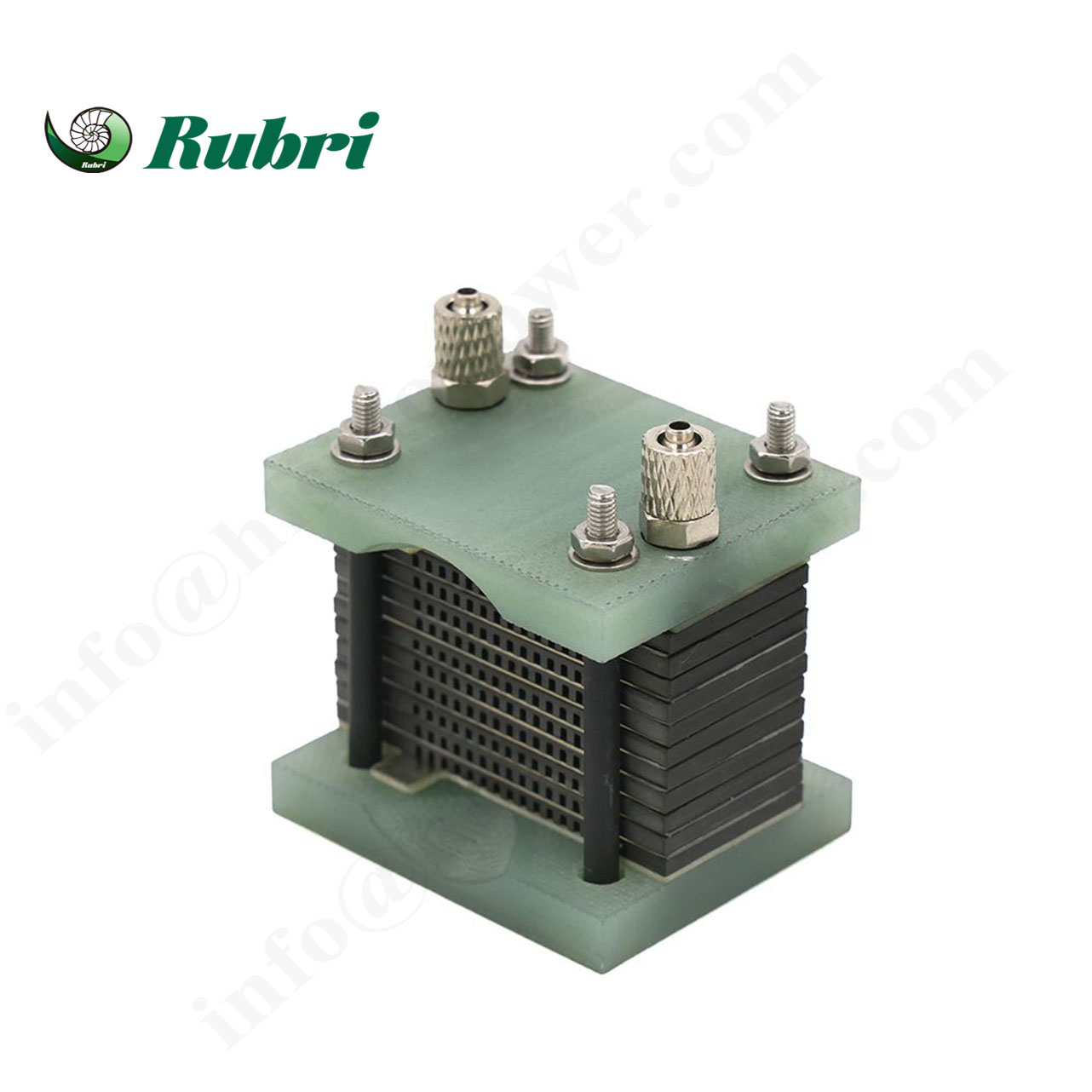
Een elektrodialyzer is een essentieel apparaat voor ionenscheiding dat gebruikmaakt van elektrodialysetechnologie. Door een gelijkstroomveld toe te passen in combinatie met anion- en kationuitwisselingsmembranen, realiseert het de gerichte migratie en scheiding van ionen in een vloeistof. Dankzij de eenvoudige en betrouwbare constructie is het verkrijgbaar in schroefbevestigde en hydraulisch geïntegreerde uitvoeringen voor verschillende toepassingsschalen. Elektrodialyzers worden veelvuldig gebruikt voor zeewaterontzilting, industriële afvalwaterzuivering, voedselconcentratie, farmaceutische zuivering en de verwerking van elektrolyten voor nieuwe energiebronnen. Ze zorgen voor een efficiënte ontzilting, concentratie en verwijdering van ionische onzuiverheden in oplossingen.
LEES VERDER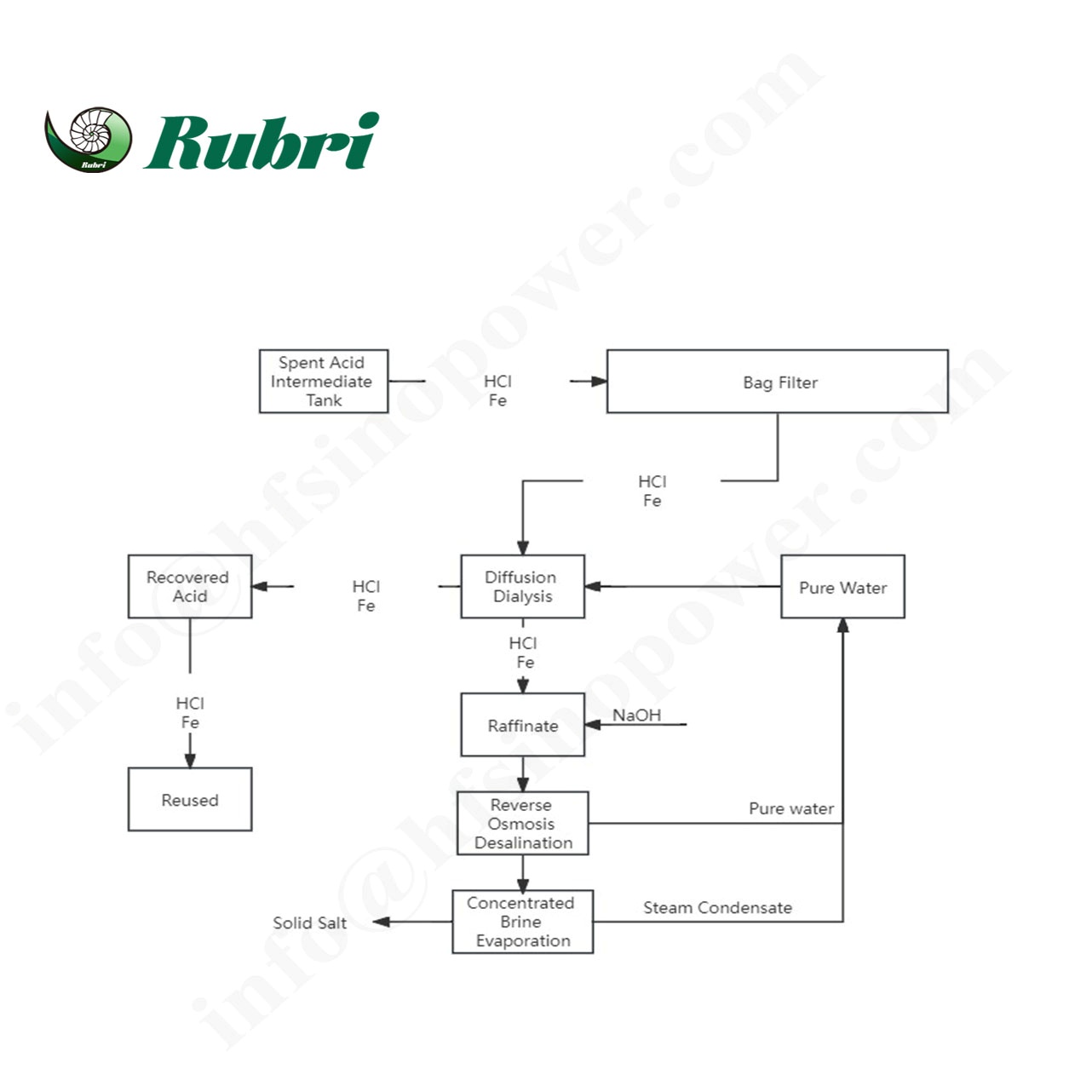
Rubri is deskundig op het gebied van diffusiedialysetechnologie en is bedreven in het ontwerpen en implementeren van op maat gemaakte oplossingen. Hiermee bieden wij klanten uitgebreide, groene en schone productieoplossingen.
LEES VERDER
Rubri is deskundig op het gebied van bipolaire membraanelektrodialysetechnologie en is bedreven in het ontwerpen en implementeren van op maat gemaakte oplossingen. Hiermee voorziet hij klanten van uitgebreide, groene en schone productieplannen.
LEES VERDER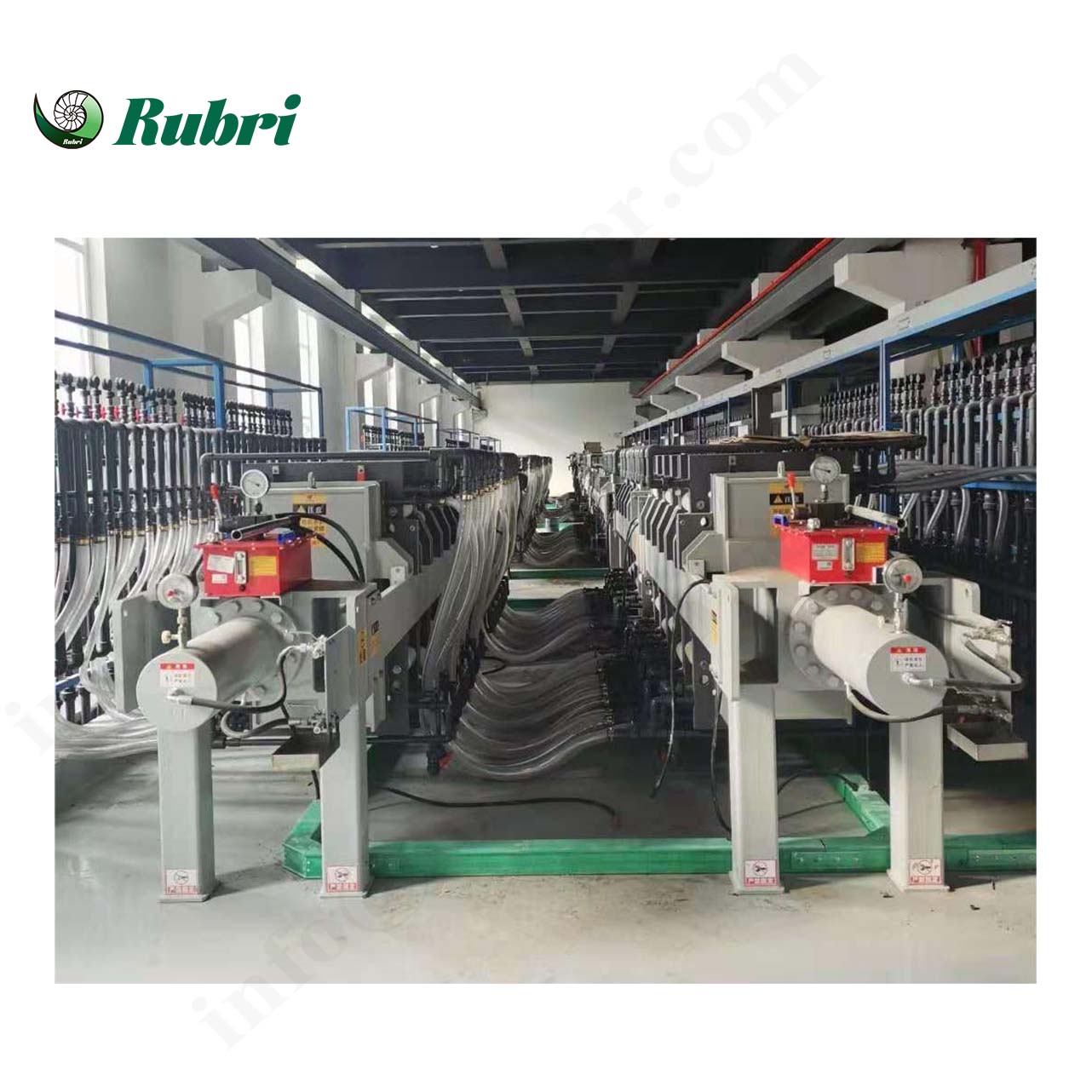
Kernprincipe van elektrodialyseDe kern van de elektrodialysetechnologie ligt in de combinatie van een elektrisch veld en selectieve membraantechnologie, waarbij het specifieke principe is onderverdeeld in twee delen:1. Aandrijvend effect van een gelijkstroom elektrisch veldOnder invloed van een gelijkstroom elektrisch veld bewegen anionen en kationen in de oplossing in een bepaalde richting: kationen migreren naar de negatieve elektrode, terwijl anionen naar de positieve elektrode migreren.2. Selectief zeefeffect van ionenwisselingsmembranenIn het systeem worden twee soorten ionenwisselingsmembranen gebruikt om ionenscheiding te realiseren:Kationenuitwisselingsmembraan: laat alleen kationen door (bijv. Na+).+, Ca2+, Mg2+) om erdoorheen te kunnen, terwijl anionen worden geblokkeerd.Anionenuitwisselingsmembraan: laat alleen anionen door (bijv. Cl⁻).-, DUS42-) om erdoorheen te kunnen, terwijl kationen worden geblokkeerd.
LEES VERDER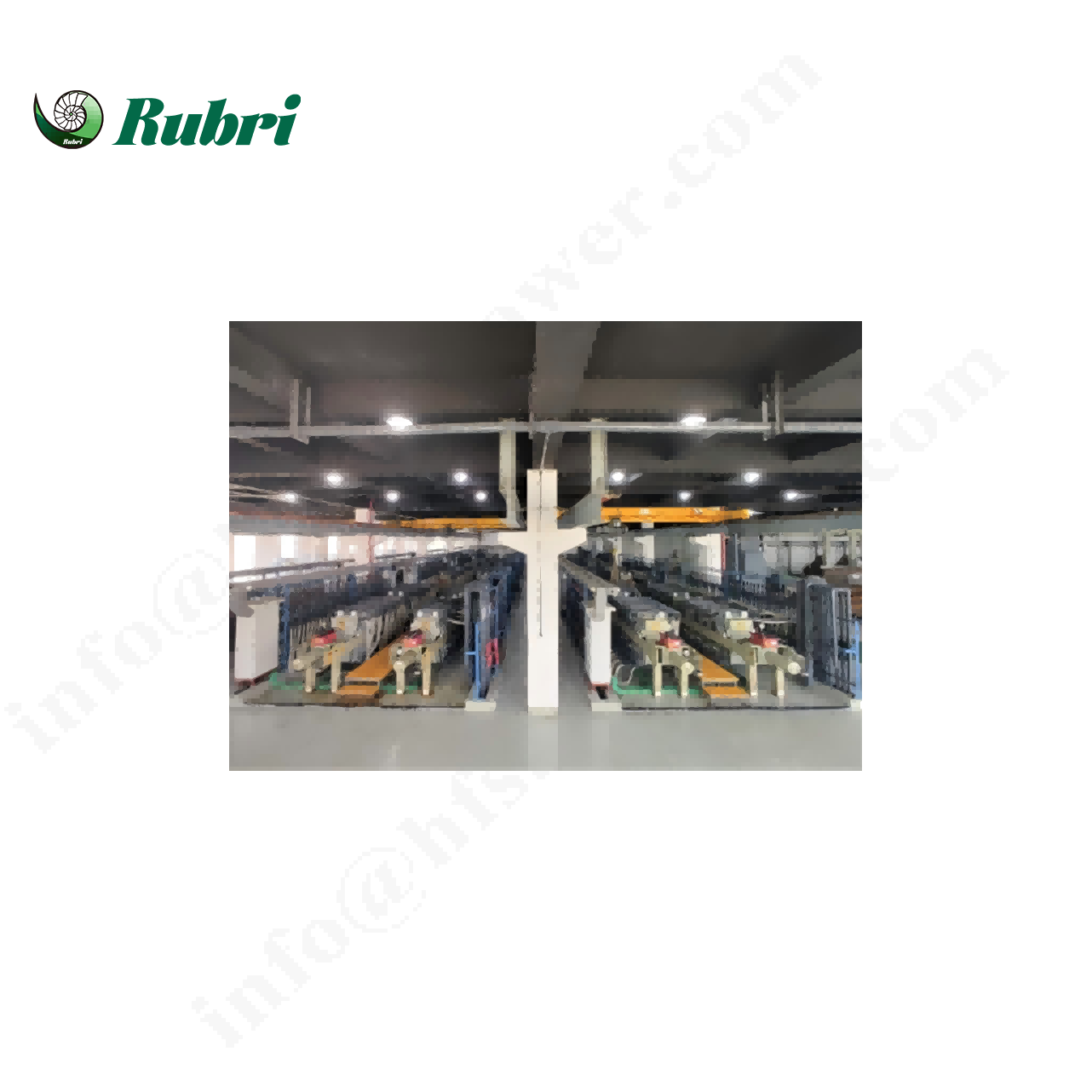
Deze technologie is gebaseerd op het principe van bipolaire membraanelektrodialyse. Onder invloed van een gelijkstroom elektrisch veld worden bipolaire membranen gebruikt om watermoleculen efficiënt te splitsen in waterstofionen en hydroxide-ionen. Dit proces zet vervolgens zouten in galvaniseerafvalwater (zoals natriumchloride, natriumsulfaat, enz.) gericht om in overeenkomstige zuren (zoals zoutzuur, zwavelzuur) en basen (zoals natriumhydroxide), waarmee de dubbele doelstellingen van afvalwaterzuivering en terugwinning van grondstoffen worden bereikt.
LEES VERDER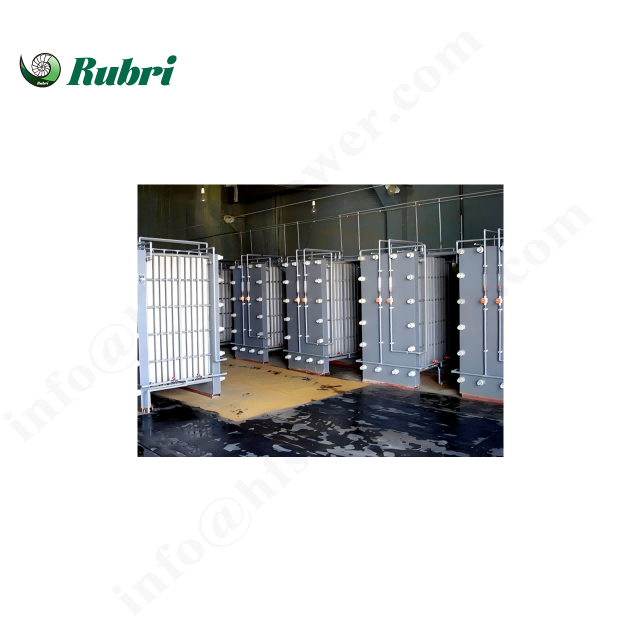
Kernprincipe van elektrodialyseDe kern van de elektrodialysetechnologie ligt in de combinatie van een elektrisch veld en selectieve membraantechnologie. Het specifieke principe ervan is onderverdeeld in twee delen:Aandrijvend effect van gelijkstroom elektrisch veld en concentratiegradiëntOnder invloed van een gelijkstroom elektrisch veld of een concentratiegradiënt bewegen anionen en kationen in de oplossing in een bepaalde richting: kationen migreren naar de negatieve elektrode, terwijl anionen naar de positieve elektrode migreren; opgeloste stoffen bewegen van oplossingen met een hoge concentratie naar oplossingen met een lage concentratie.Selectief zeefeffect van ionenwisselingsmembranenIn het systeem worden twee soorten ionenwisselingsmembranen gebruikt om ionenscheiding te realiseren:Kationenuitwisselingsmembraan: Laat alleen kationen (bijv. Na⁺, Ca²⁺, Mg²⁺) door, terwijl anionen worden geblokkeerd.Anionenuitwisselingsmembraan: Laat alleen anionen (bijv. Cl⁻, SO₄²⁻) door, terwijl het kationen blokkeert.
LEES VERDER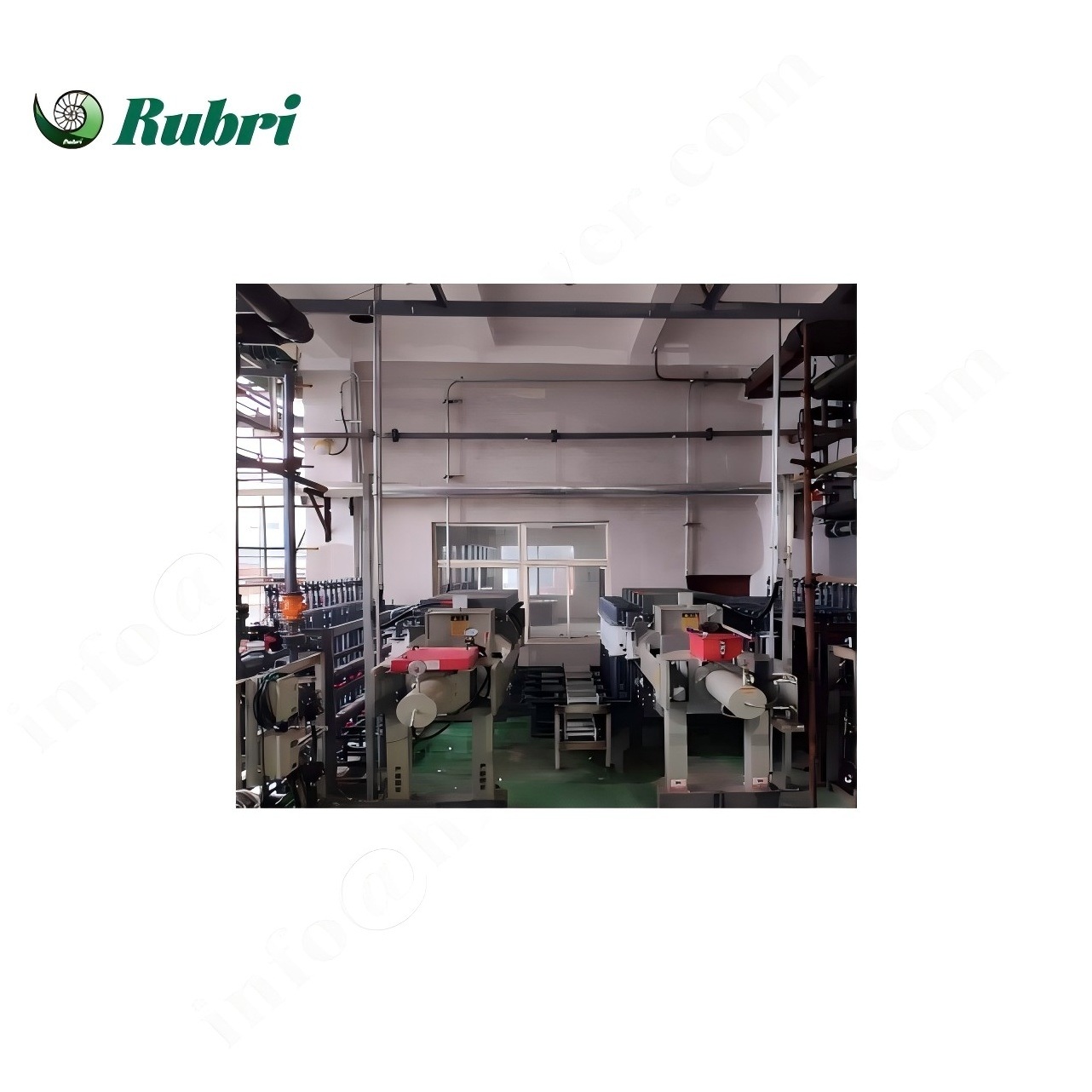
Kernprincipe van bipolaire membraanelektrodialyse (BPED)De kern van de BPED-technologie ligt in de combinatie van een elektrisch veld, selectieve membraantechnologie en het unieke vermogen van bipolaire membranen om water te splitsen.1. Aandrijvend effect van een gelijkstroom elektrisch veldOnder invloed van een gelijkstroom elektrisch veld migreren ionen in een bepaalde richting: kationen bewegen zich naar de kathode, terwijl anionen zich naar de anode bewegen.2. MembraanfunctiesBipolaire membraan (BPM): splitst water (H2O) naar binnenH+EnOH−ionen onder invloed van het elektrische veld vormen een bron voor de productie van zuren en basen.Kationenuitwisselingsmembraan (CEM): Laat selectief kationen door.Anionenuitwisselingsmembraan (AEM): Laat selectief anionen door.Door deze membranen afwisselend te rangschikken, kunnen zouten worden omgezet in overeenkomstige zuren en basen.
LEES VERDER


 IPv6 NETWERK ONDERSTEUND