Nederlands
 English
 français
 Deutsch
 italiano
 русский
 español
 português
 العربية
 한국의
한국의 Romania
 Bulgaria
 Melayu

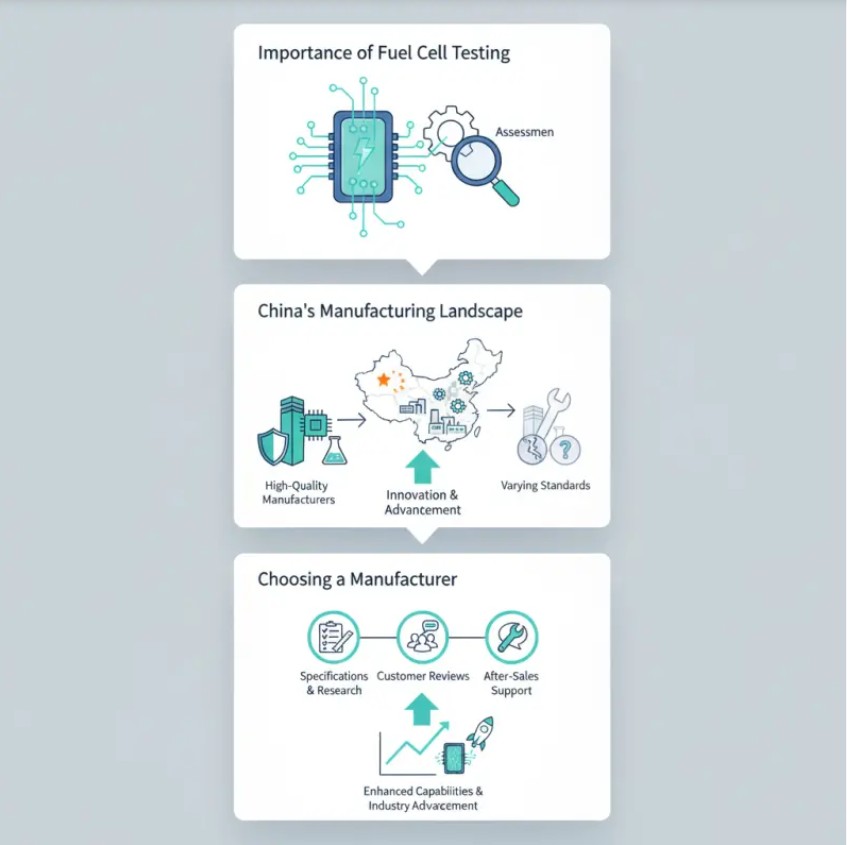
Als het gaat om brandstofceltechnologie, is een betrouwbare brandstofcel essentieel. Testbank voor brandstofcellen is best wel belangrijk. Serieus, dit apparaat is essentieel om te controleren hoe goed brandstofcellen prestaties en duurzaamheid zijn cruciaal. Als uw bedrijf overweegt deze markt te betreden of de activiteiten uit te breiden, moet u weten wie de belangrijkste fabrikanten in China zijn.
China heeft een groot aantal bedrijven die bekend staan om hun expertise in het maken van testapparatuur voor brandstofcellen. Deze bedrijven hebben een reputatie voor het produceren van hoogwaardige testopstellingen die geschikt zijn voor allerlei testdoeleinden. Bovendien hebben hun innovaties de hele industrie vooruitgeholpen. Dat gezegd hebbende, niet elke fabrikant is van hetzelfde niveau – sommige hanteren hoge kwaliteitsnormen, terwijl anderen dat minder doen. Het is dus erg belangrijk om je goed te informeren en leveranciers te vinden die je kunt vertrouwen.
Zomaar een brandstofceltestbank aanschaffen zonder gedegen onderzoek kan tot problemen leiden en uiteindelijk een product opleveren dat niet helemaal aan uw behoeften voldoet. Let goed op de specificaties, lees klantrecensies en kijk naar de geboden service na aankoop. Door de tijd te nemen om deze markt zorgvuldig te verkennen, kan uw bedrijf de testmogelijkheden verbeteren en op de hoogte blijven van de nieuwste ontwikkelingen in de branche.
Testbanken voor brandstofcellen spelen een cruciale rol in de bloeiende energiesector in China. Deze testbanken zijn essentieel voor het evalueren en optimaliseren van de prestaties van brandstofcellen. Ze helpen fabrikanten ervoor te zorgen dat hun producten voldoen aan strenge kwaliteitsnormen. De afgelopen jaren is de vraag naar testapparatuur voor brandstofcellen sterk gestegen, gedreven door de groeiende interesse in schone energieoplossingen.
Volgens een marktrapport zal de markt voor testapparatuur voor brandstofcellen in China naar verwachting in 2025 een waarde van 1,5 miljard dollar bereiken, wat een opmerkelijk groeipotentieel laat zien. Nu het land ernaar streeft de CO2-uitstoot te verminderen, investeren diverse sectoren, waaronder de auto-industrie en de energieproductie, fors in brandstofceltechnologie. Testbanken zijn in deze context essentieel geworden, omdat ze nauwkeurige meet- en analysemogelijkheden bieden.
Tips: Houd bij de keuze van een brandstofceltestbank rekening met factoren zoals nauwkeurigheid, het bereik van de bedrijfsomstandigheden en de integratiemogelijkheden met bestaande systemen. Een goede kalibratie is essentieel voor betrouwbare resultaten. Daarnaast kunnen gebruiksvriendelijke interfaces het testproces voor de operators vereenvoudigen.
Ondanks de vooruitgang blijven er uitdagingen bestaan. De sector kampt met problemen zoals hoge opstartkosten en de behoefte aan gekwalificeerd personeel. Continue training en ontwikkeling zijn noodzakelijk om de expertise in dit vakgebied te vergroten. Het is essentieel om voortdurend te streven naar verbetering om concurrerend te blijven in het veranderende marktlandschap.
Bij de keuze van testapparatuur voor brandstofcellen zijn er een aantal belangrijke kenmerken om op te letten. Zorg ervoor dat de testopstelling spanning en stroom nauwkeurig kan meten. Nauwkeurige gegevens zijn essentieel voor de prestatie-evaluatie. Kies voor apparatuur die realtime datalogging biedt. Dit maakt een uitgebreide analyse tijdens de test mogelijk.
Testbereik is ook belangrijk. Een veelzijdige testopstelling kan verschillende brandstofceltypen aan. Deze aanpasbaarheid kan uw testmogelijkheden verbeteren. Besteed aandacht aan softwarecompatibiliteit. Goede testopstellingen integreren naadloos met bestaande systemen. Deze integratie bevordert de efficiëntie en vermindert fouten.
Tips: Raadpleeg altijd experts in het vakgebied. Hun inzichten kunnen waardevolle begeleiding bieden. Houd bij uw selectie rekening met mogelijke toekomstige behoeften. De juiste apparatuur van vandaag moet mogelijk morgen aangepast worden. Testopstellingen moeten gebruiksvriendelijk zijn en de complexiteit voor operators minimaliseren. Onthoud dat een duidelijke bediening vaak leidt tot betere gegevensverzameling.
De afgelopen jaren is de vraag naar testbanken voor brandstofcellen in China sterk gestegen als gevolg van de groeiende interesse in waterstofbrandstoftechnologie. Hoogwaardige testapparatuur is essentieel voor het verbeteren van de prestaties en duurzaamheid van brandstofcellen. Volgens een recent brancherapport zal de markt voor brandstofceltesten naar verwachting de komende vijf jaar groeien met een samengesteld jaarlijks groeipercentage (CAGR) van 18%.
China onderscheidt zich door een aantal toonaangevende fabrikanten die geavanceerde testoplossingen voor brandstofcellen leveren. Deze bedrijven zijn gespecialiseerd in diverse aspecten van testen, waaronder prestatie-evaluatie, duurzaamheidstesten en efficiëntiemetingen. Ze maken gebruik van geavanceerde technologieën, waardoor hun apparatuur voldoet aan internationale normen. Bovendien werken ze vaak samen met onderzoeksinstellingen om hun testmogelijkheden te verbeteren.
Tip: Houd bij de keuze van een fabrikant rekening met hun ervaring in de branche. Bedrijven met een sterke reputatie leveren vaak betrouwbaardere producten.
Het is cruciaal voor fabrikanten om te begrijpen dat niet alle testopstellingen hetzelfde zijn. De complexiteit van brandstofcelsystemen betekent dat generieke oplossingen mogelijk niet volstaan. Een specifieke testopstelling is essentieel voor nauwkeurige resultaten. Veel bedrijven hebben ontdekt dat investeren in aanpasbare testopstellingen betere prestatiegegevens oplevert.
Tip: Evalueer altijd de after-sales service van de fabrikant. Goede ondersteuning zorgt voor blijvend succes tijdens testprocessen.
De markt voor testbanken voor brandstofcellen ontwikkelt zich snel. Volgens een recent rapport van Research and Markets zal de wereldwijde markt voor brandstofcellen naar verwachting in 2025 de grens van 20 miljard dollar overschrijden. Deze groei stimuleert de vraag naar efficiënte en betrouwbare testbanken. Er bestaan diverse testtechnologieën en inzicht in de verschillen daartussen is cruciaal voor fabrikanten die de prestaties willen optimaliseren.
Vergelijkende analyses tonen aan dat sommige testopstellingen prioriteit geven aan nauwkeurigheid bij het meten van het vermogen, terwijl andere zich richten op duurzaamheid onder extreme omstandigheden. Zo bleek uit een onderzoek van het International Journal of Hydrogen Energy dat testopstellingen met geavanceerde sensoren een 15% hogere nauwkeurigheid bij gegevensverzameling rapporteerden. Deze gaan echter vaak gepaard met hogere kosten en complexiteit. Eenvoudigere modellen bieden mogelijk een snellere installatie, maar missen wellicht uitgebreide data-analyse, waardoor er lacunes ontstaan in de prestatie-evaluatie.
Veel fabrikanten staan nog steeds voor uitdagingen bij het kiezen van de juiste technologie. Sommige testopstellingen kunnen inconsistente resultaten opleveren als gevolg van kalibratieproblemen. Een opkomende trend is de integratie van AI voor data-analyse, wat veelbelovende verbeteringen in de betrouwbaarheid van testen met zich meebrengt. De initiële investering kan echter kleinere bedrijven afschrikken. Dit complexe landschap vereist continu leren en aanpassen om optimale testoplossingen te vinden in de brandstofcelindustrie.
| Testbanktype | Gebruikte technologie | Meetnauwkeurigheid | Maximaal uitgangsvermogen (kW) | Belangrijkste kenmerken |
| Dynamische belastingstestbank | Realtime simulatie | ±1% | 100 | Snelle respons, hoge geluidskwaliteit |
| Duurtestbank | Toepassing van continue belasting | ±2% | 50 | Langdurige tests, duurzaamheidsbeoordeling |
| Prestatie-testbank | Uitgebreide prestatiemetingen | ±0,5% | 75 | Efficiëntiemeting, emissieanalyse |
| Milieutestbank | Vochtigheids- en temperatuurregeling | ±3% | 40 | Simulatie van extreme omstandigheden |
| Geïntegreerde testbank | Multifunctionele mogelijkheden | ±1,5% | 200 | Veelzijdige testmodi, gebruiksvriendelijk |
Het testen van brandstofcellen is cruciaal voor het waarborgen van betrouwbaarheid en prestaties. Industriële normen spelen een belangrijke rol bij het begeleiden van fabrikanten. Zo heeft de Internationale Organisatie voor Standaardisatie (ISO) protocollen opgesteld voor het testen van brandstofcellen. Deze normen dragen bij aan de harmonisatie van testprocedures in verschillende regio's. Naleving van dergelijke normen vergroot de geloofwaardigheid op de markt.
Recente rapporten tonen aan dat 32% van de brandstofcelfabrikanten niet voldoet aan de basiseisen voor testen. Deze statistiek geeft aanleiding tot bezorgdheid over de effectiviteit van de huidige testmethoden. Continue monitoring en periodieke evaluaties zijn essentieel. Bovendien vereisen diverse regelgevingen dat fabrikanten strenge beoordelingen uitvoeren. Ze moeten aantonen dat hun producten onder uiteenlopende omstandigheden effectief functioneren. Het belang van strikte naleving van deze protocollen kan niet genoeg benadrukt worden.
Met de toenemende vraag naar brandstofcellen verandert het landschap. Toch zijn er lacunes in de naleving van de regelgeving. Fabrikanten negeren vaak specifieke vereisten, wat kan leiden tot potentiële veiligheidsproblemen. Het aanpakken van deze problemen vereist een continue inzet op leren en verbetering. De implementatie van geavanceerde testtechnologieën kan nauwkeurigere resultaten opleveren. Dit zal uiteindelijk bijdragen aan de algehele veiligheid en efficiëntie van brandstofcellen in diverse toepassingen.
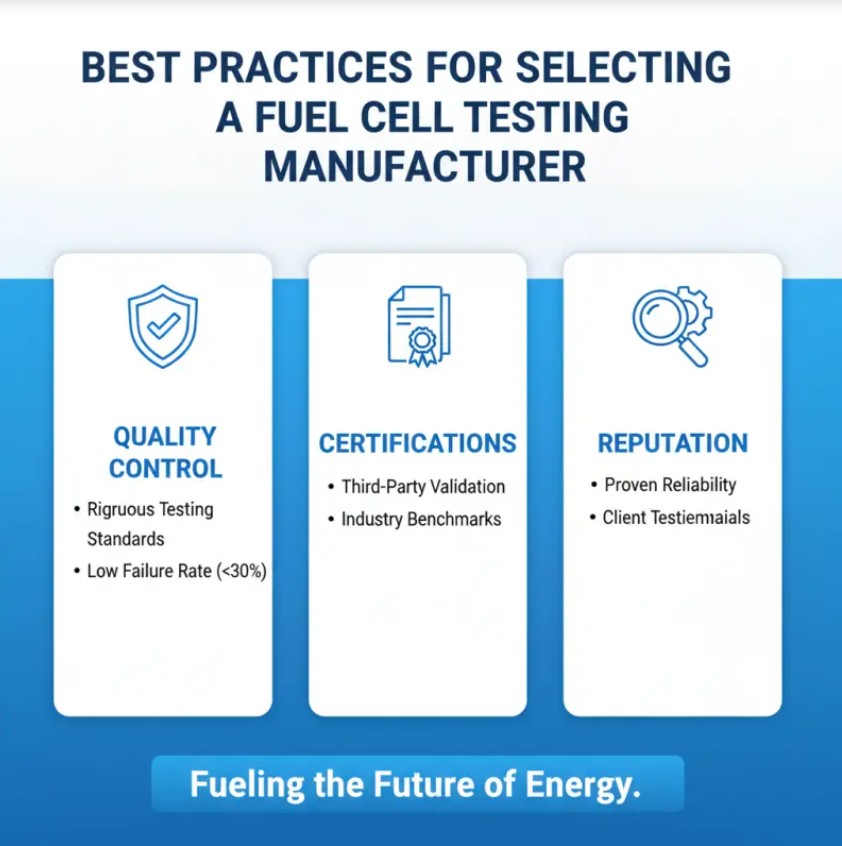
Bij de keuze voor een gerenommeerde fabrikant van brandstofceltestapparatuur zijn verschillende cruciale factoren van belang. Kwaliteitscontrole is essentieel. Fabrikanten moeten zich houden aan strenge testnormen. Certificeringen door derden kunnen inzicht geven in hun betrouwbaarheid. Volgens een recent brancherapport voldoet meer dan 30% van de testopstellingen niet aan de vastgestelde normen, wat het belang van zorgvuldige selectie onderstreept.
Ervaring binnen de branche is van groot belang. Een fabrikant met een lange geschiedenis toont vaak aan dat hij de ontwikkelingen in de technologie begrijpt. Zoek naar bedrijven die actief investeren in onderzoek en ontwikkeling. Recente gegevens tonen aan dat bedrijven die innoveren doorgaans nauwkeurigere en betrouwbaardere testapparatuur produceren. Hun ontwerpen moeten geschikt zijn voor verschillende brandstofceltypen en testvereisten.
Kosten mogen de kwaliteit niet overschaduwen. Hoewel goedkopere opties verleidelijk kunnen zijn, bieden ze mogelijk geen waarde op de lange termijn. Een aanzienlijk aantal operators meldde dat goedkopere testopstellingen vaak tot onnauwkeurige resultaten leidden. Het is cruciaal om een balans te vinden tussen betaalbaarheid en prestaties. De keuze voor een fabrikant van brandstofceltestapparatuur vereist zorgvuldige overweging, grondige screening en een focus op kwaliteitsborging om effectieve en betrouwbare testoplossingen te verkrijgen.
De markt voor het testen van brandstofcellen ontwikkelt zich snel. Volgens een recent rapport van Allied Market Research zal de wereldwijde markt voor brandstofcellen naar verwachting $60 miljard bereiken in 2026, met een samengestelde jaarlijkse groei van 21,5%. Deze groei benadrukt de cruciale behoefte aan efficiënte testtechnologieën. Fabrikanten zijn steeds vaker op zoek naar betrouwbare testopstellingen om prestaties en betrouwbaarheid te garanderen.
De huidige trends wijzen op een verschuiving naar automatisering bij het testen. Geautomatiseerde systemen kunnen processen stroomlijnen en menselijke fouten tijdens evaluaties verminderen. Naarmate meer fabrikanten deze technologieën toepassen, zal de complexiteit van brandstofcellen naar verwachting toenemen, waardoor de grenzen van de testmogelijkheden worden verlegd. Testbanken moeten nu geschikt zijn voor verschillende brandstoftypes en bedrijfsomstandigheden. Sommige fabrikanten ondervinden echter problemen bij de integratie van deze geavanceerde technologieën. Dit kan leiden tot inconsistenties in de testresultaten.
Opkomende technologieën zoals kunstmatige intelligentie beïnvloeden ook testmethoden. Door AI verbeterde analyses kunnen dieper inzicht geven in de prestaties van brandstofcellen. Deze technologieën helpen potentiële storingen te identificeren voordat ze zich voordoen. Er bestaat echter een aanzienlijke kloof tussen de beschikbare technologie en de praktische implementatie ervan in sommige sectoren. Naarmate de vraag naar schone energie toeneemt, zal het aanpakken van deze uitdagingen essentieel zijn voor de groei en betrouwbaarheid van de industrie.
Het artikel "Wat is de gids voor de beste fabrikanten van brandstofceltestbanken in China?" biedt een uitgebreid overzicht van de cruciale aspecten van brandstofceltestbanken in China. Het begint met een verkenning van de verschillende beschikbare brandstofceltestbanken, waarbij de belangrijkste kenmerken zoals precisie, veelzijdigheid en gebruiksgemak worden belicht. Vervolgens worden de belangrijkste fabrikanten in het land geïdentificeerd en wordt een vergelijkende analyse van verschillende testbanktechnologieën aangeboden, waardoor lezers de voordelen en beperkingen van elke technologie beter begrijpen.
Daarnaast bespreekt het artikel relevante industrienormen en -voorschriften die van toepassing zijn op het testen van brandstofcellen, waarbij het belang van naleving voor zowel fabrikanten als onderzoekers wordt benadrukt. Het biedt best practices voor het selecteren van een betrouwbare fabrikant van brandstofceltestapparatuur, zodat organisaties weloverwogen beslissingen kunnen nemen. Tot slot blikt het artikel vooruit en anticipeert het op opkomende trends in brandstofceltesttechnologie en marktontwikkelingen die het industrielandschap kunnen vormgeven. Deze veelzijdige gids is een waardevolle bron voor belanghebbenden die geïnteresseerd zijn in de vooruitgang op het gebied van brandstofceltechnologie.
Welke eigenschappen zijn cruciaal voor testapparatuur voor brandstofcellen?
Kies voor nauwkeurige spannings- en stroommetingen om de prestaties accuraat te kunnen beoordelen.
Waarom is realtime datalogging belangrijk?
Realtime logging maakt een uitgebreide analyse tijdens het testen mogelijk, waardoor de algehele evaluatiekwaliteit wordt verbeterd.
Hoe moet testapparatuur geschikt zijn voor verschillende typen brandstofcellen?
Een veelzijdige testopstelling moet geschikt zijn voor verschillende brandstofceltypen om de testmogelijkheden te verbeteren.
Waar moet men op letten met betrekking tot softwarecompatibiliteit?
Kies apparatuur die naadloos integreert met bestaande systemen om de efficiëntie te verhogen en fouten te verminderen.
Waarom is het essentieel om experts te raadplegen voordat u apparatuur selecteert?
Experts bieden waardevol advies op basis van hun ervaring, zodat u de juiste apparatuur kunt kiezen voor uw toekomstige behoeften.
Welke invloed hebben industriestandaarden op het testen van brandstofcellen?
Het naleven van standaarden vergroot de geloofwaardigheid en waarborgt de betrouwbaarheid van tests in verschillende regio's.
Wat is de impact van automatisering op testprocessen?
Automatisering vermindert menselijke fouten en stroomlijnt processen, maar kan ook tot inconsistenties leiden als het niet goed wordt geïmplementeerd.
Welke invloed hebben opkomende technologieën op het testen van brandstofcellen?
Technologieën zoals AI bieden dieper inzicht en kunnen helpen bij het voorspellen van storingen, maar er zijn op sommige gebieden nog implementatieproblemen.
Welke uitdagingen ondervinden fabrikanten bij het gebruik van nieuwe testtechnologieën?
Sommige fabrikanten hebben moeite met de integratie van geavanceerde technologieën, wat leidt tot variabiliteit in testresultaten en de nauwkeurigheid van de gegevens.
Waarom is continue verbetering belangrijk bij het testen van brandstofcellen?
Continu leren en het naleven van protocollen kunnen de veiligheid en prestaties van brandstofceltoepassingen verbeteren.



 IPv6 NETWERK ONDERSTEUND