Nederlands
 English
 français
 Deutsch
 italiano
 русский
 español
 português
 العربية
 한국의
한국의 Romania
 Bulgaria
 Melayu

Met de versnelde wereldwijde energietransitie, groene energie waterstofproductie Elektrolyse is een belangrijk onderzoeksgebied geworden en de technologie voor waterstofproductie via waterelektrolyse heeft veel aandacht getrokken. Als kernonderdeel van de waterstofproductie bepaalt de levensduur van de elektrolyzer direct de productiekosten en de economische voordelen van het project. De factoren die de levensduur van een elektrolyzer beïnvloeden zijn complex; één enkele factor kan meerdere negatieve gevolgen hebben. Veelvoorkomende beperkende factoren zijn onder andere de materiaaleigenschappen, de bedrijfsomstandigheden en de elektroden. Daarnaast is ook de elektrolyseomgeving een belangrijke factor die de levensduur beperkt, zoals een te hoge spanning, een te hoge temperatuur en een zure/alkalische omgeving.
Wat een elektrolyzer het meest vreest, is niet continu bedrijf, maar frequent starten en stoppen en stroomschommelingen.
Thermische spanningscycli: De interne temperatuur van de elektrolyzer verandert herhaaldelijk bij elke start en stop. Verschillen in de thermische uitzettingscoëfficiënten van diverse materialen veroorzaken wisselende spanningen op afdichtingen, poolplaten en membranen, wat na langdurige opeenhoping kan leiden tot structurele loslating, lekkage en zelfs breuk.
Corrosie door omgekeerde stroom: Tijdens het uitschakelen diffunderen resterende waterstof en zuurstof in de elektrolyt met elkaar, waardoor lokale galvanische cellen op de elektroden ontstaan en een omgekeerde stroom wordt opgewekt, die de anodes ernstig corrodeert.
Spanningspiek: Een plotselinge spanningspiek tijdens het opstarten kan het membraan beschadigen, waardoor waterstof-zuurstofkruisdoorlaat ontstaat. Dit brengt potentiële veiligheidsrisico's met zich mee en versnelt de prestatievermindering.
Alkalische waterelektrolyzerAsbestmembranen zijn in de beginfase uitgefaseerd en de gangbare producten zijn momenteel membranen van polyfenyleensulfide (PPS) of polyetheretherketon (PEEK) composiet. Onder hoge temperaturen en sterk alkalische omstandigheden worden membranen geleidelijk broos, met een verminderde porositeit en een verhoogde interne weerstand.
PEM-elektrolyzer:Perfluorsulfonzuurmembranen hebben te maken met twee vormen van degradatie: chemische degradatie (aanval door vrije radicalen) en mechanische degradatie (droog-natcycli). Dit leidt tot dunner worden van het membraan en een toename van gaatjes, wat op zijn beurt de waterstofdoorlaatbaarheid verhoogt en de operationele efficiëntie verlaagt.
Bij nikkelgebaseerde elektroden leidt langdurig gebruik tot afschilfering van actieve stoffen, verdikking van de oxidelagen en vermindering van het specifieke oppervlak, waardoor de overspanning en het energieverbruik verder toenemen. Omgekeerde stroom en onzuiverheidsionen (Fe³⁺, Cl⁻, enz.) versnellen de corrosie en vergiftiging van de elektrode.
Zodra er gaatjes ontstaan in de coating van de poolplaten (vernikkeld koolstofstaal of puur nikkel), zal het koolstofstalen substraat corroderen en roesten, waardoor de elektrolyt wordt verontreinigd en de contactweerstand toeneemt. Langdurige blootstelling aan hoge temperaturen, loog en drukwisselingen zal leiden tot vervorming en verzachting van de afdichtingspakkingen, met als gevolg vloeistoflekkage of gasdoorstroming.
Wanneer de bedrijfstemperatuur het optimale bereik overschrijdt, neemt de verouderingssnelheid van membranen en materialen exponentieel toe met elke temperatuurstijging van 10 ℃. Over het algemeen ligt de optimale bedrijfstemperatuur voor alkalische elektrolyzers tussen 80 en 90 ℃, terwijl die voor PEM-elektrolyzers tussen 60 en 70 ℃ ligt. Drukschommelingen veroorzaken bovendien vermoeidheidsschade aan de algehele afdichting en structuur van de elektrolyzer.
Alkalische water-elektrolyzer: Onzuiverheden (Fe³⁺, Ca²⁺, Mg²⁺) in de KOH-oplossing vormen hydroxideprecipitaten die zich afzetten op membranen, waardoor poriën verstopt raken en de weerstand toeneemt.
PEM-elektrolyzer: Extreem gevoelig voor metaalionen. Ionenuitwisseling vindt plaats wanneer metaalionen in contact komen met het ionenuitwisselingsmembraan, waardoor de protongeleidbaarheid afneemt en de membraandegradatie wordt versneld.
Langdurig gebruik bij een te hoge stroomdichtheid leidt tot lokale hotspots, een verhoogde overpotentiaal voor zuurstofontwikkeling en verstopping van de massatransportkanalen door bellen, waardoor de veroudering van elektroden en membranen wordt versneld. Gebruik bij een zeer lage belasting (minder dan 20% van de nominale belasting) resulteert in een lage gasproductie en een groter risico op wederzijdse diffusie van waterstof en zuurstof, wat leidt tot de vorming van explosief menggas. Tegelijkertijd neemt het risico op omgekeerde corrosie bij lage stroomsterkte ook aanzienlijk toe.
1. Het niet tijdig vervangen van de elektrolyt (voor alkalische elektrolyzers wordt aanbevolen de elektrolyt elke 1 tot 2 jaar te vervangen). Na langdurig gebruik zullen sporen van corrosieproducten (ijzer-, nikkelionen, enz.) van elektroden en leidingen in de elektrolyt terechtkomen, waardoor deze geel en troebel wordt, de weerstand toeneemt en het energieverbruik stijgt.
2. Onvoldoende controle op de consistentie van de spanning van individuele cellen. Een abnormale spanningsstijging van afzonderlijke cellen, zonder tijdige behandeling, leidt tot plaatselijke oververhitting en de vorming van onzuiverheden. Deze verspreiden zich door het elektrolyt en de structuur, waardoor de veroudering van de afdichtingen van aangrenzende cellen en de corrosie van de poolplaten worden versneld.
3. Afwezigheid van stikstofspoeling of beschermende maatregelen na uitschakeling. Resterende loog absorbeert vocht en kristalliseert, wat leidt tot corrosie van de apparatuur.
4. Verwaarlozing van het onderhoud van de systemen voor zuiver water en koelwater, waardoor onzuiverheden in de elektrolyzer terechtkomen.
De levensduur en prestaties van elektrolyzers worden nooit door één enkele factor bepaald, maar zijn afhankelijk van een algehele optimalisatie van materiaalkunde, operationele strategieën en onderhoudssystemen. Van het beheersen van de optimale temperatuur en het afstemmen van een redelijke stroomdichtheid tot het regelmatig vervangen van de elektrolyt en het vroegtijdig signaleren van abnormale celspanningen: elke ogenschijnlijk kleine parameter is cruciaal voor de stabiele werking van elektrolyzerapparatuur.
Veelgestelde vragen:
1. Wie zijn wij?
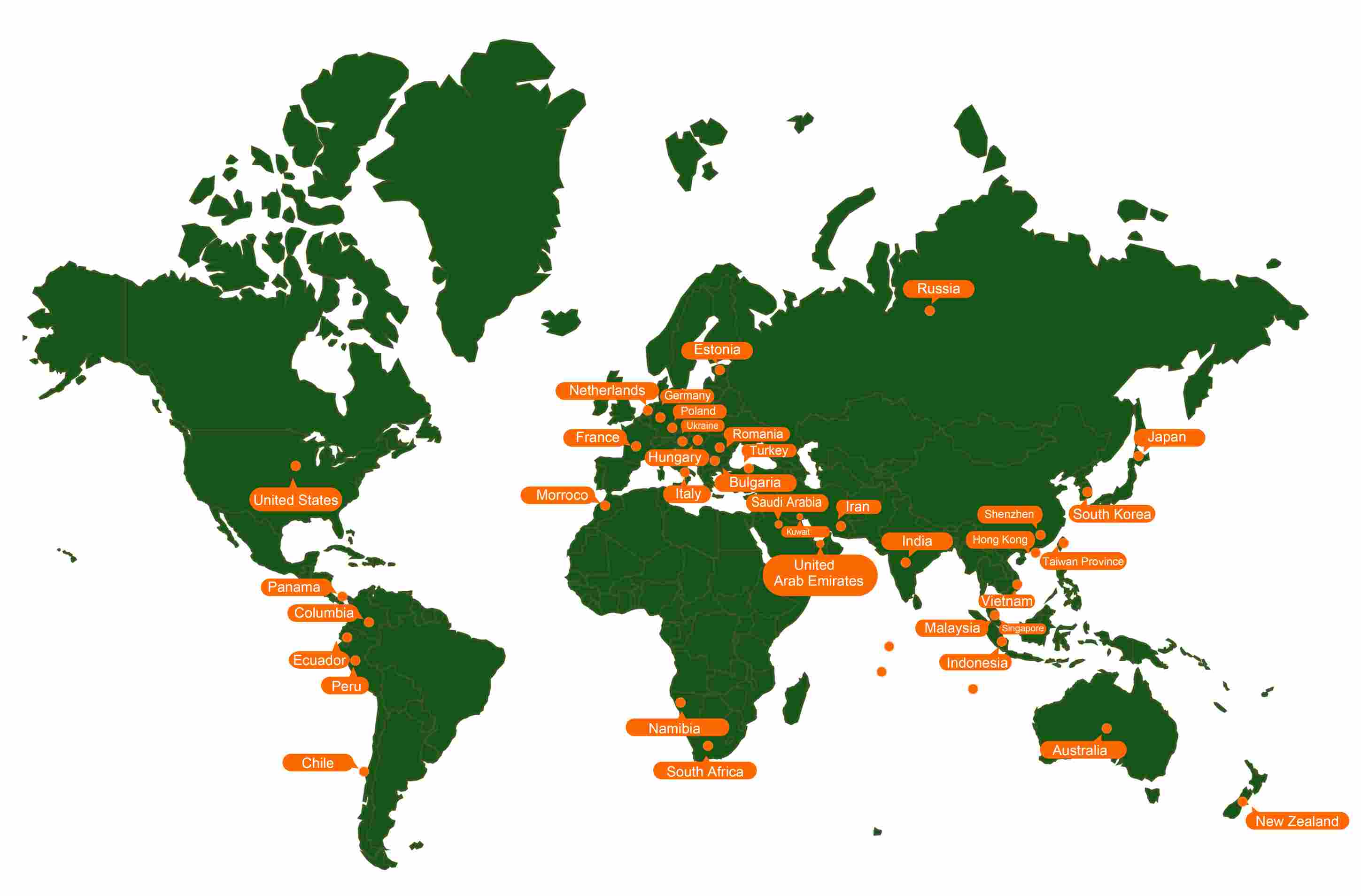
Wij zijn gevestigd in Anhui, China, en bestaan sinds 2011. We verkopen aan Zuidoost-Azië, Noord-Amerika, Oost-Europa en Zuid-Azië.


 IPv6 NETWERK ONDERSTEUND